
A familiar ingredient with modern relevance
Dates are one of the few ingredients that feel traditional, premium and modern at the same time. They are familiar across Indian households, the Middle East and many export markets, yet they also fit naturally into current better-for-you product language. They bring sweetness, body and a rich caramel-like flavour without making a product feel clinical or overly engineered.
That combination explains why date-based snacks are expanding beyond simple dry-fruit boxes. Today, dates are being used in bars, bites, ladoos, modaks, truffles, stuffed-date products, nut squares and chocolate-coated formats. For brands, they offer a strong base on which to build both everyday snacks and premium gifting products.
Date-based snacks work because they combine a clean-label story with indulgence, familiarity and excellent flavour flexibility.
Why dates work so well in formulation
Dates are not only an ingredient story; they are also highly functional. A good date paste can act as a sweetener, binder and texture builder. It can hold nuts, seeds, cereals, cocoa and protein ingredients together while helping a product remain soft and satisfying. This can simplify a label and reduce dependence on several separate syrups or binders.
The natural flavour of dates also supports a wide range of profiles. Cocoa, coffee, orange, berries, coconut, caramel, peanut, almond, hazelnut, pistachio, sesame and Indian spices all pair well with dates. Brands can therefore create a broad flavour range from one core manufacturing platform, which is useful for efficient product development and private-label programmes.
Better-for-you without losing indulgence
The biggest strength of date-based products is that they can sit between health and indulgence. A plain nutrition product may feel worthy but boring. A conventional confectionery product may taste excellent but lack a positive nutritional story. Date-based products can deliver chewiness, sweetness and richness while still supporting claims around simple ingredients, fruit content, nuts, seeds or millets.
This does not automatically make every date product healthy. Portions, added fats, chocolate coatings and total sugar still matter. But the ingredient foundation gives brands more room to create products that feel recognisable and minimally complicated. Consumers can understand dates, almonds, peanuts, cocoa and seeds without needing an explanation.
Multiple formats, multiple markets
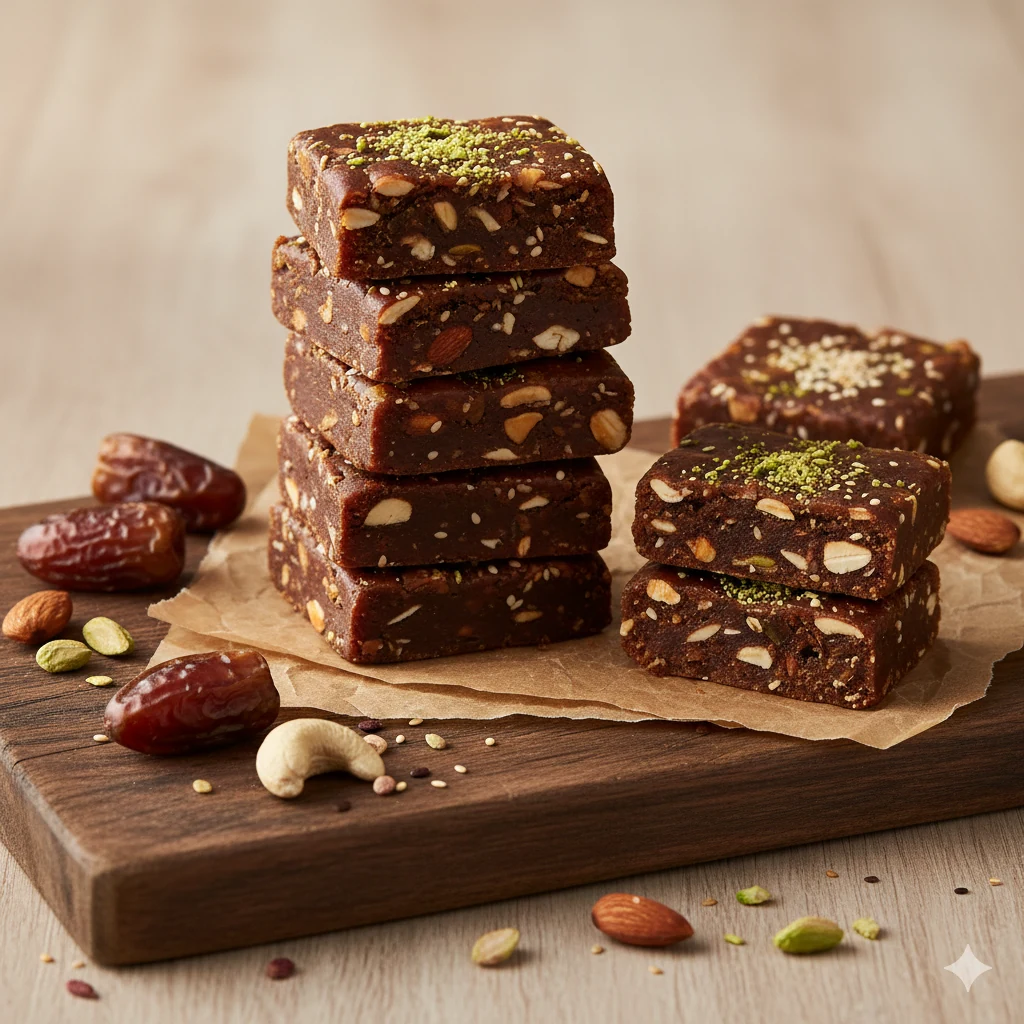
Date bites work well for convenient snacking and modern retail. Date bars suit fitness, office and travel occasions. Date ladoos and modaks connect better-for-you positioning with Indian familiarity. Stuffed dates and chocolate-coated dates can move into premium gifting, festive assortments, airline service, hospitality and export channels.
The same category can therefore operate at very different price points. A simple date-peanut bite may serve value-conscious daily snacking. A pistachio-kunafa stuffed date may serve indulgent gifting. A high-protein date bar can target active consumers. This breadth makes dates strategically attractive for brands that want to build a family of products rather than a single SKU.
The importance of texture and process
Date products may appear simple, but consistency depends on process control. Moisture variation in date paste can change softness, stickiness and shelf behaviour. Nuts and seeds must be sized correctly so the product cuts cleanly. Cocoa, protein and cereal inclusions can make the mass dry or crumbly. Coated products need proper temperature control to avoid poor finish or bloom.
Manufacturing also has to account for the desired eating experience. A bite should hold its shape without becoming dense. A bar should cut neatly without feeling hard. A stuffed date should have the correct balance between fruit, filling and coating. Successful development requires repeated trials, not merely mixing a list of attractive ingredients.
How brands can create a stronger proposition
A strong date-based launch begins with a clear occasion and consumer. Is the product for daily energy, children, fitness, gifting, premium retail or export? That decision guides weight, flavour, coating, packaging and price. Brands should avoid creating too many similar flavours without a clear role for each SKU.
Packaging is equally important. Date products can look premium, but they can also appear generic if presentation is weak. Window boxes, trays, jars, flow-wraps and pouches each serve different channels. The pack should communicate both appetite appeal and the simplicity of the ingredients.
A category with room to stretch
Date-based better-for-you products are built to grow because they align with several enduring consumer needs: familiar ingredients, natural sweetness, portability, premiumisation and flavour variety. They are flexible enough for mass retail and sophisticated enough for gifting or export.
For food brands, the opportunity is not simply to replace sugar with dates. It is to use dates as a platform for products that deliver a clear eating experience and a credible ingredient story. When formulation, texture and positioning are handled well, date-based products can become a long-term category rather than a temporary wellness trend.
Developing your next food product?
Rochiram Foods Pvt. Ltd. supports contract manufacturing, private labelling, product development and India sourcing across modern and heritage snack categories.
Discuss Your Project