
Old categories, new energy
Some of the most exciting opportunities in Indian snacking are not entirely new. They are products that have existed for generations: chikki, ladoo, roasted chana, peanut snacks, sesame sweets, rajgira preparations, millet bars and dry-fruit confections. What is changing is the way these foods are being designed, packaged and presented.
For a long time, heritage snacks were treated either as loose traditional products or seasonal purchases. Modern food brands are now giving them the discipline of FMCG: consistent portion sizes, clear ingredient communication, attractive packaging, flavour architecture and reliable shelf life. The result is not a rejection of tradition, but a revival of it.
Traditional Indian snacks are not returning as nostalgia alone—they are being reintroduced as premium, practical and contemporary products.
Why consumers are returning to familiar foods
Consumers are surrounded by new claims, imported formats and complicated labels. In that environment, familiar foods offer reassurance. Peanuts, jaggery, sesame, rajgira, millets, besan and dry fruits are ingredients people recognise. They carry memories of home, festivals, travel and regional identity.
At the same time, younger consumers want convenience. They may love chikki but prefer a slim bar instead of an irregular slab. They may enjoy ladoo but want a small portion in a resealable pack. They may value roasted chana but expect contemporary flavours and cleaner branding. Heritage categories grow when they respect both sides of this equation: emotional familiarity and modern usability.
Chikki is becoming a platform, not one product
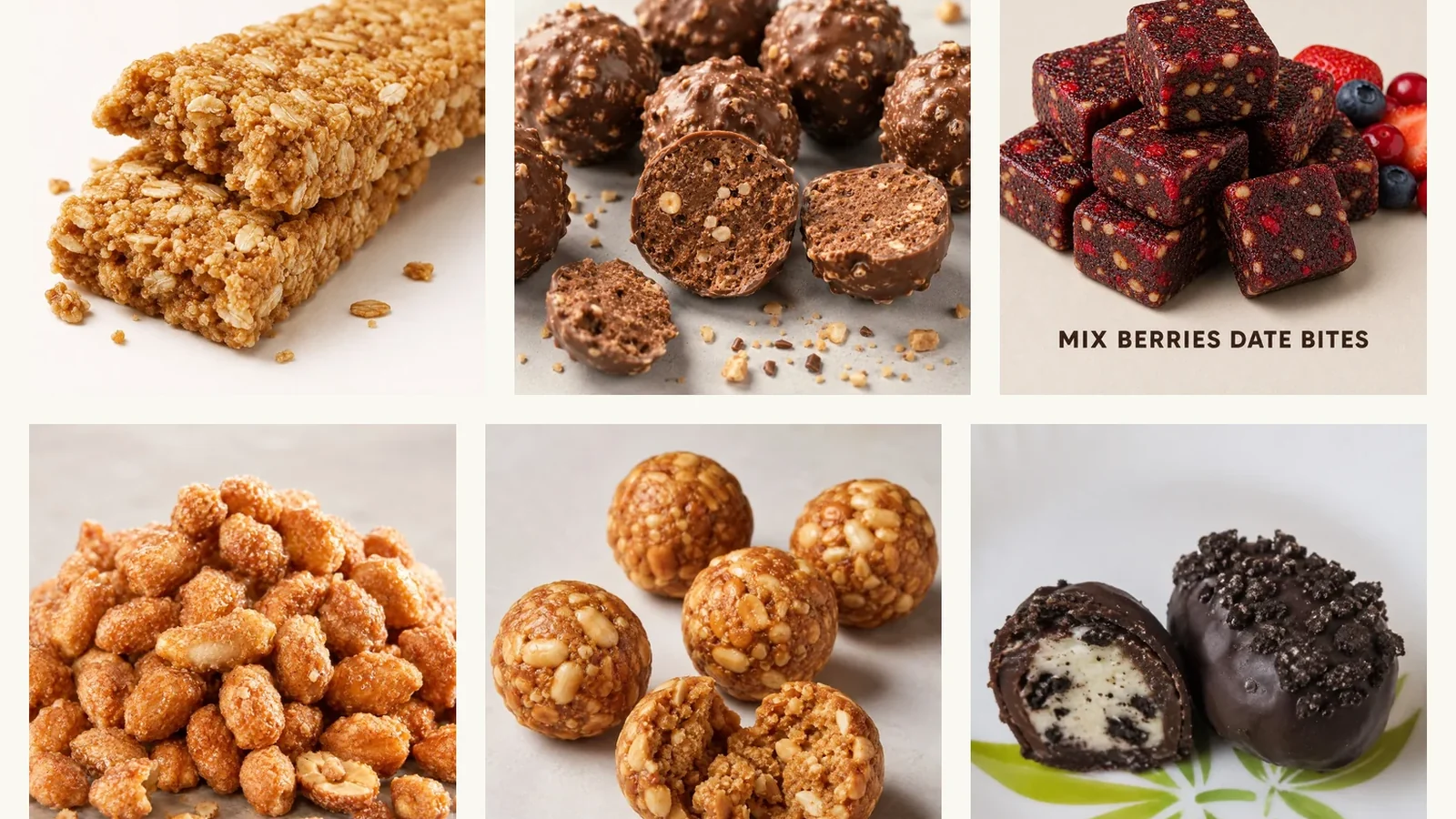
Traditional peanut and sesame chikki remain important, but the category now supports much more variety. Crushed peanut, dry-fruit, seed, rajgira, makhana, millet, chocolate, salted caramel, mixed berry and protein-led variants can all be built around the core idea of a crisp, bound snack.
This versatility allows brands to reach different consumers without abandoning the category’s identity. A value-led peanut chikki can serve daily retail. A dry-fruit or rose-and-berry chikki can enter gifting. A seed or protein chikki can serve a better-for-you audience. The manufacturing platform remains related, while the positioning changes significantly.
Ladoo is moving beyond the festive box
Ladoo has traditionally been associated with celebration, but it is increasingly being treated as a convenient snack format. Besan, peanut, sesame, rajgira, coconut, millet, date and protein ladoos can be portioned for daily consumption rather than reserved for special occasions.
The round format is naturally familiar and easy to understand. It can carry both indulgent and nutritional stories. The challenge is consistency. Texture, binding, oil migration and shape retention have to be controlled if a ladoo is expected to travel through modern distribution and remain attractive on shelf.
Regional ingredients can become national brands
India has an enormous library of ingredients and snack traditions that remain underdeveloped as organised consumer products. Rajgira, jowar, bajra, sesame, puffed grains, roasted pulses and regional flavour combinations can move beyond local markets when their benefits are communicated simply and the product is made consistently.
The goal should not be to make every traditional snack look foreign or overly premium. Strong branding can feel contemporary while remaining rooted in India. Clear photography, honest ingredient language and good pack architecture often do more than excessive claims.
Modernisation must not erase the product
There is a temptation to modernise heritage snacks by changing them so much that their character disappears. A chikki should still deliver snap. A ladoo should still have the right richness and grain. Roasted chana should still feel simple and satisfying. Flavours and nutritional improvements should enhance the format rather than disguise it.
This is especially important when adding protein, reducing sugar or introducing new binders. Technical improvements must be balanced against the sensory memory consumers already have. Heritage products succeed because people know what they are supposed to feel like.
The opportunity for brands and exporters
Heritage snacks are well positioned for Indian retail, institutional programmes, travel, gifting and export. They offer a distinctive alternative to globally common snack formats while using ingredients that can often be sourced domestically. For international buyers, they bring an authentic Indian story. For domestic buyers, they bring familiarity with improved convenience.
Brands that build this category carefully can create a portfolio across price points and occasions. The strongest approach is to begin with a recognisable hero product, deliver excellent consistency, and then expand through flavours, formats and pack sizes.
The next phase of Indian snacking
The revival of Indian heritage snacks is not nostalgia alone. It reflects a broader change in consumer confidence. Indian foods no longer need to imitate imported formats to feel modern. They can become modern through better execution.
Chikki, ladoo, roasted snacks, millets and date-based products already have strong foundations. With thoughtful product development, hygienic manufacturing, contemporary packaging and disciplined branding, they can become some of the most relevant FMCG categories of the next decade.
Developing your next food product?
Rochiram Foods Pvt. Ltd. supports contract manufacturing, private labelling, product development and India sourcing across modern and heritage snack categories.
Discuss Your Project