
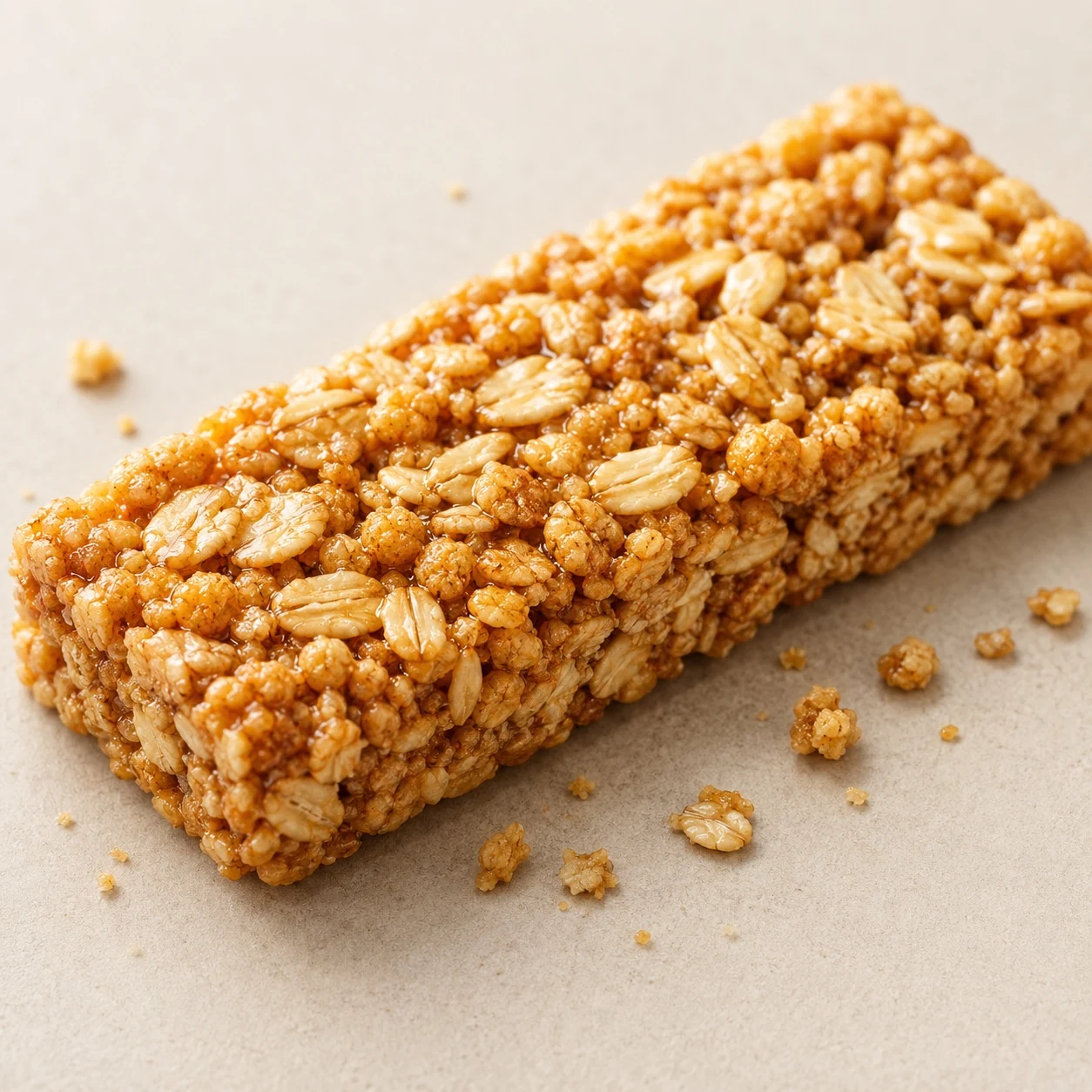
Protein is no longer only for the gym
For years, protein sat inside a clearly defined corner of the food market: tubs of powder, gym-focused bars and specialised sports nutrition. That boundary has now broken down. Consumers increasingly look for protein in foods they already buy every day—breakfast products, snacks, desserts, beverages, biscuits and even familiar Indian formats. Protein has become less of a niche claim and more of a shorthand for satiety, strength, active living and “better value” from every calorie.
This shift is creating what can best be described as the proteinification of FMCG. It does not mean every product must become a body-building product. It means that across categories, brand teams are asking the same question: can this product offer more protein without losing the taste, price, texture and familiarity that made the category successful in the first place?
Protein is no longer just a sports-nutrition claim—it is becoming a mainstream shorthand for satiety, active living and better everyday nutrition.
Why the shift is likely to stay
The appeal of protein is unusually broad. A young athlete may choose it for recovery. A busy professional may see it as a more filling snack. A parent may associate it with better nutrition. An older consumer may value it as part of maintaining strength. One nutrient can therefore serve several consumer motivations without requiring completely different product stories.
Protein also works well in a market where consumers are reading the front of pack more carefully. “High protein” or “source of protein” is easy to understand. It communicates a functional benefit quickly and gives brands a clear reason for a product to exist. That makes protein attractive not only to consumers, but also to retailers, distributors and digital marketplaces that need strong, simple category cues.
Where proteinification is happening
The most visible examples are protein bars and shakes, but the more interesting growth is happening in everyday formats. Granola and muesli are being reformulated with protein crisps, nuts and seeds. Breakfast oats are being positioned as high-protein meal solutions. Traditional ladoos and date bites are being adapted with plant or dairy proteins. Chocolate-coated bites, cookies, wafers and confectionery-style snacks are being redesigned to deliver a better nutritional profile while retaining indulgence.
Indian heritage foods are also well suited to this movement. Peanuts, roasted chana, sesame, millets and pulses already carry strong nutritional associations. The opportunity is to combine those familiar ingredients with modern portioning, packaging and nutritional design rather than forcing every innovation into a Western-style bar.
The formulation challenge
Adding protein is easy on paper and difficult in a real product. Protein can create dryness, hardness, chalkiness, bitterness or an aftertaste. It may reduce shelf stability, interfere with binding or change how a product behaves during heating, sheeting, moulding and cutting. A formula that looks impressive nutritionally can fail if the consumer does not enjoy the second bite.
Good protein product development is therefore an exercise in balance. The protein source must suit the format. Soy, whey, milk, pea and other proteins behave differently. The binder, fat system, sweetening system and inclusions must all be adjusted around them. Serving size matters too: a claim that sounds powerful may require a portion so large, expensive or dense that the product becomes commercially impractical.
What successful brands will do differently
The winners will not simply add protein to everything and place a large number on the pack. They will decide what role protein plays in the product. Is it the main reason to buy, or one advantage within a broader promise of taste, convenience and better ingredients? They will also protect the core sensory experience of the category. A protein chikki should still feel like chikki. A protein granola should still be crisp. A protein dessert should still feel indulgent.
Brands should also be disciplined about price. Protein raises formulation cost, and consumers will pay more only when the product delivers a clear improvement. Strong products connect protein to a relevant occasion: an office snack, a breakfast solution, a post-workout bite, a school or institutional nutrition format, or an on-the-go meal bridge.
What this means for FMCG product pipelines
Protein is becoming a product-development lens rather than a standalone category. Companies planning new launches should review their existing portfolio and identify where protein can add genuine value. Some products may benefit from a complete high-protein redesign. Others may only need a modest improvement supported by nuts, seeds, pulses or protein crisps.
The larger lesson is that nutrition is moving closer to mainstream taste. Consumers do not want to choose between functional and enjoyable. The next generation of FMCG products will need to deliver both. The proteinification of FMCG is here to stay because it answers a simple consumer desire: make the foods I already enjoy work harder for me.
Developing your next food product?
Rochiram Foods Pvt. Ltd. supports contract manufacturing, private labelling, product development and India sourcing across modern and heritage snack categories.
Discuss Your Project